
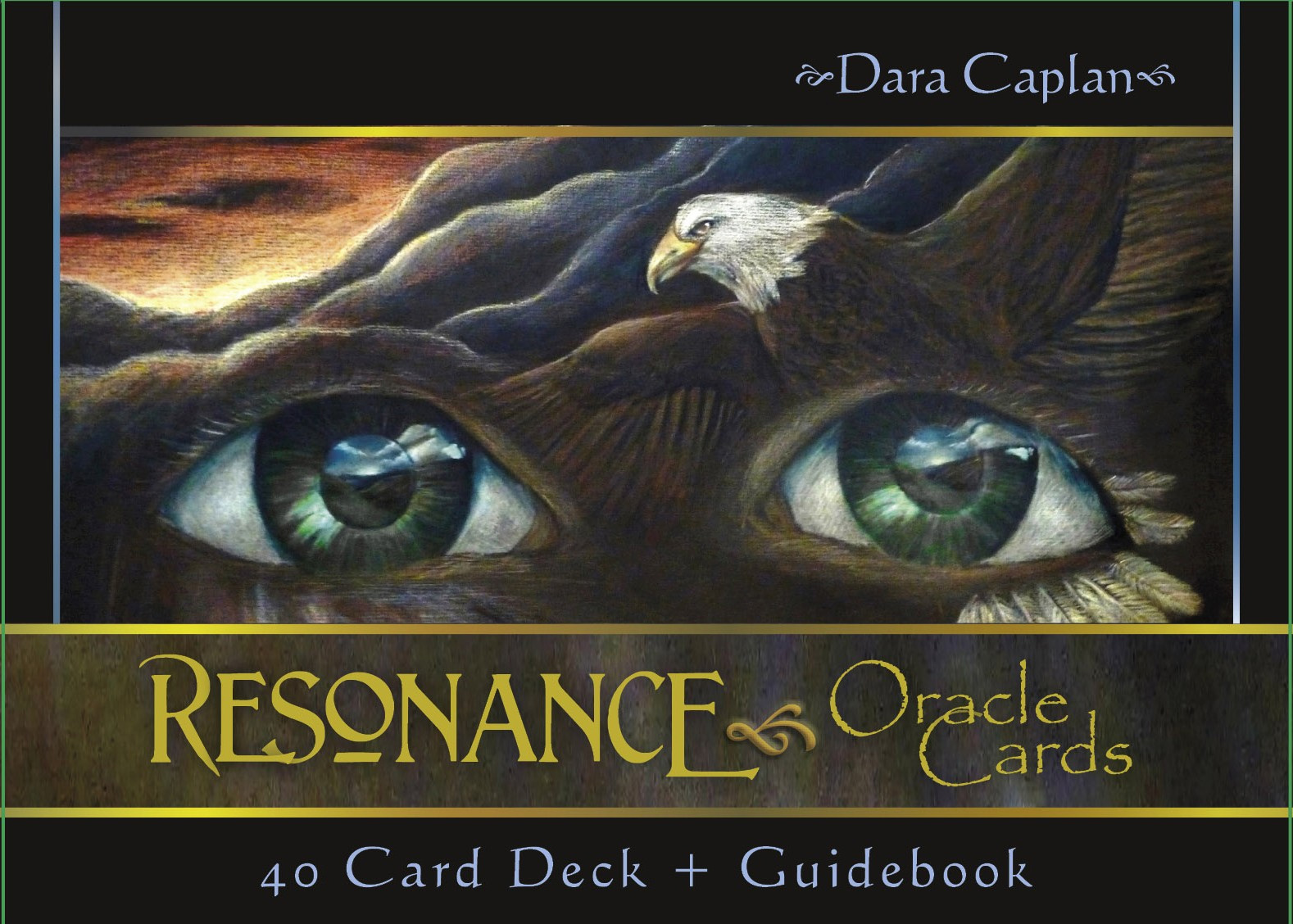
 The guidebook is open-ended regarding the typical “how to use this deck” goes. You can draw a single card, 3 cards, or carry out more involved spreads typically used with tarot decks. I do not feel this will cause any confusion even to beginning readers. It will encourage them to use their imagination and perhaps start creating their own spreads.
 took about seven shuffles to break them in. They became much more supple and easier to shuffle. The deck stands 11/16” high when stacked.
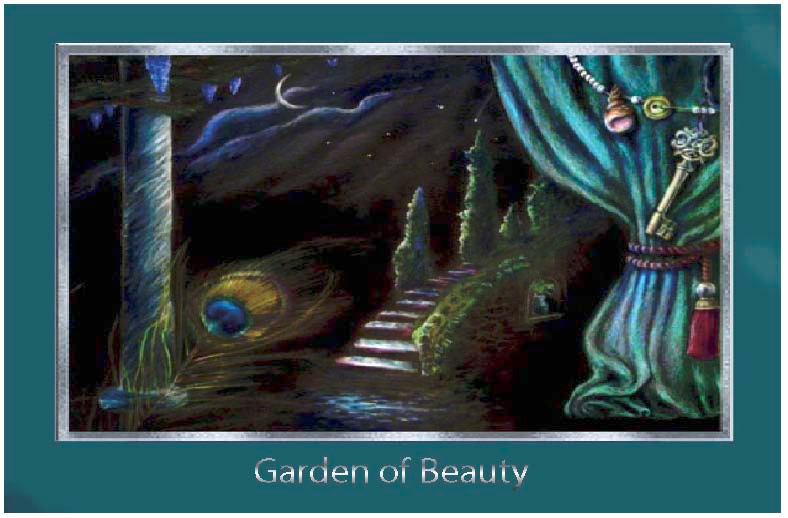
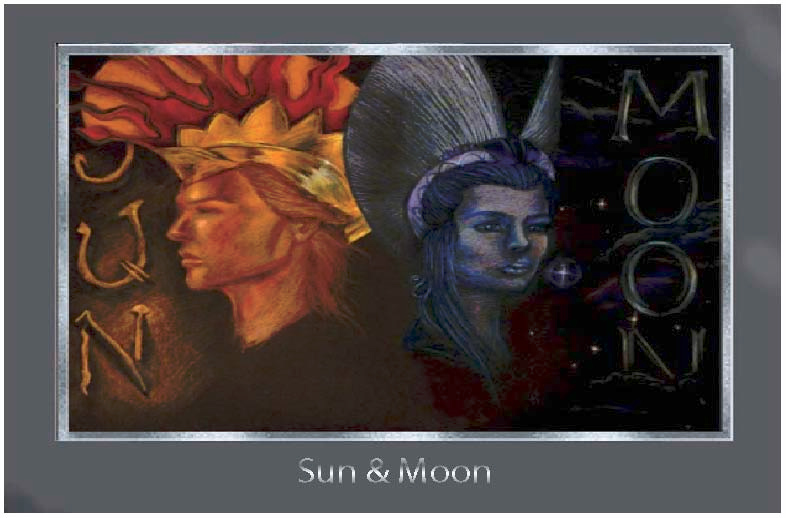
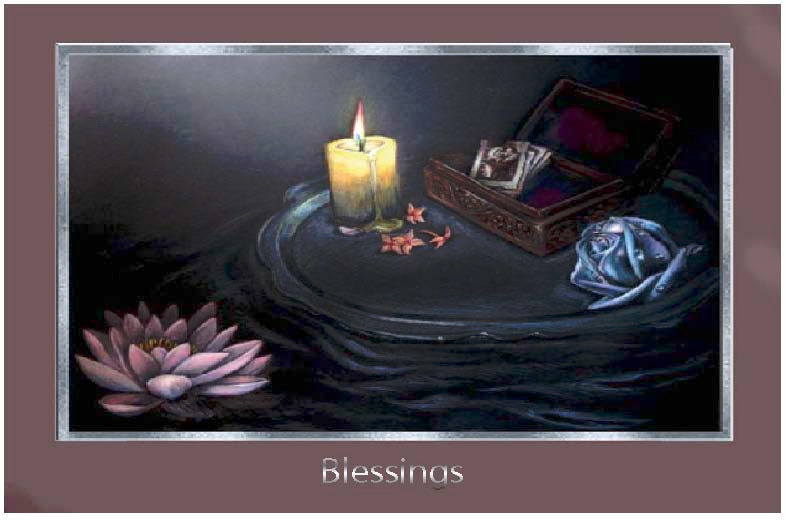 The cards are not numbered. The title appears at the base of the card. Card titles are provided alphabetically in the guidebook so they can still easily be found when doing readings. However, the image is so provocative that I really encourage you to first try using this deck without the guidebook. You may come up with some very interesting interpretations of the imagery all on your own. The images consist of various components that tend to draw the eye to particular symbols. Whenever that occurs in a reading you should know to pay special attention to the symbol and work it into your overall interpretation of that card. This goes for any deck, not just The Resonance Oracle.
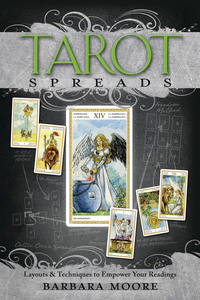 rchased, I do recommend you purchase a book on card spreads. An excellent one that was published in the past few months is Barbara Moore’s Tarot Spreads: Layouts & Techniques to Empower Your Readings (Llewellyn Publishing, 2012). This book offers a myriad of spreads that you can use with tarot and oracle decks alike. The book is very well written with the meaning beh
 The Magickal-Musings of Nefer Khepri, PhD